Salvage yards get cars from six main sources: direct purchases from the public, insurance total-loss auctions, tow companies and abandoned vehicles, dealer trade-ins that never reach the lot, retired fleet vehicles, and charity donations. Most yards buy from several channels at once, which is how fresh parts donors keep rolling through the gate all week.
Last updated: October 2026
Somebody at our counter asks a version of the same question just about every week: how do salvage yards get cars? Or, the way it usually comes out at the window — “where do all these cars come from?” Fair question. The New Country Auto Parts keeps hundreds of vehicles on the lot at 3013 Stanley Avenue on the south side of Indianapolis, and new ones arrive daily. Nobody wrecks a car in our parking lot, so the inventory has to come from somewhere.
The answer is a supply chain most drivers never see. The professional auto recycling industry recycles more than 4 million motor vehicles a year in the U.S. and Canada, and operates out of more than 9,000 locations in the U.S. alone, generating $32 billion in sales nationwide (Automotive Recyclers Association, 2025). Every one of those vehicles was bought, towed, won at auction, or signed over by somebody. Here’s where junkyard cars actually come from, source by source, and why it matters when you’re hunting for a part.
How Do Salvage Yards Get Cars? Six Sources at a Glance
| Source | How it works | Typical condition |
|---|---|---|
| Direct purchases from owners | Owner calls, gets an offer, signs over the title; the yard tows the car in | Everything from daily drivers to rollovers — usually complete vehicles |
| Insurance total-loss auctions | Insurers declare a car totaled and sell it through auction platforms like Copart and IAA | Often newer vehicles with collision, hail, or flood damage |
| Tow companies & abandoned vehicles | Unclaimed tows and abandoned cars are sold once the legal waiting period runs out | Rough, usually older, sometimes missing parts |
| Dealer trade-ins | Cars too old or too rough to retail get wholesaled off the back lot | High mileage but often still driveable |
| Fleet disposals | Businesses retire work trucks and vans in batches | Hard miles, consistent maintenance history |
| Charity donations | Donated vehicles are sold at auction or direct to yards to fund the charity | Wide range — many simply aged out |
Our own yard draws on all six at once — insurance companies, tow companies, auto auctions, charities, private parties, and the cars we buy straight from owners. That mix is why the rows change from one visit to the next.
1. Direct Purchases From the Public
The most straightforward pipeline: a car reaches the point where the next repair costs more than the car is worth, and the owner decides to cash out instead. Cash Car Heroes, the car-buying side of our own business, is one of the main ways we get vehicles — it buys cars, trucks, vans, and SUVs in any condition, puts an offer together within 10 to 15 minutes during business hours, pays cash or check on the spot, and tows it away free anywhere in Central Indiana.
Yards like these cars. They come in complete, nothing has been picked over, and there’s a real owner on the other end who can tell you the car’s story — the blown head gasket, the deer strike, the transmission that started slipping on I-465. If you’re the one selling, we wrote a full walkthrough of what to expect when you sell a car to a salvage yard in Indianapolis, title paperwork included.
Got a car that owes you nothing? Cash Car Heroes, our car-buying arm, pays cash for vehicles in any condition — offer in 10–15 minutes, free towing anywhere in Central Indiana. Get your offer →
2. Insurance Total-Loss Auctions
When a repair estimate climbs past what the insurer is willing to pay, the car gets declared a total loss, the owner gets a check, and the vehicle goes to a salvage auction — Copart and IAA run the two biggest networks. Salvage yards bid on these cars by the thousands.
This channel is growing. U.S. total-loss frequency hit 22.2 percent in the second calendar quarter of 2025, up from 21.5 percent in the same quarter of 2024 (Copart, 2025). According to Jeff Liaw, CEO of Copart, speaking on the company’s September 2025 earnings call, total-loss frequency “has continued its long-term upward trend.” Modern cars carry so many sensors, cameras, and calibration requirements that a moderate fender hit can total an otherwise healthy vehicle.
That’s the part most buyers miss: totaled does not mean worthless. A five-year-old SUV that got rear-ended has a perfect engine, transmission, and front clip. For a parts yard, auction cars are often the freshest, newest donors on the lot. One honest caution from our side of the fence — flood cars are a different story. The body panels are fine, but we’d think twice before pulling electrical components off one, and a good yard will tell you where a donor came from if you ask.
3. Tow Companies and Abandoned Vehicles
Cars get left behind — on shoulders, in apartment lots, outside closed businesses. Under IC 9-22-1-11, an officer can tag and remove an abandoned vehicle within 24 hours only when it sits on or within the right-of-way of an interstate, state, or U.S. highway; anywhere else it has to sit 72 hours first (Indiana State Police). Once the waiting period and the notice requirements are satisfied and nobody claims the car, it gets disposed of — and salvage yards are the usual buyers.
Honestly, this channel is a trickle, not a river. Abandoned cars tend to be older, rougher, and sometimes already stripped. But a 15-year-old sedan nobody wanted still has a starter, an alternator, glass, and trim that somebody in Greenwood needs this weekend.
4. Dealer Trade-Ins That Never Reach the Lot
Dealerships take trades they have no intention of retailing — too many miles, too much rust, a title history that scares off financing. Those cars get wholesaled, usually through the same auto auctions yards already buy from. For parts buyers this is a quiet gift: trade-ins are typically running, driving cars, which makes them strong donors for interiors, electronics, and trim that wrecked vehicles give up less often.
5. Fleet and Business Disposals
Utility companies, contractors, and delivery outfits retire work trucks and vans in batches once the repair math stops working. Fleet vehicles come with hard miles but, in our experience, more consistent maintenance than the average private car — oil changes happened on a schedule because a manager made them happen. Around Indianapolis that means a steady supply of pickup and van parts, which is exactly what half the south side drives.
6. Donated Vehicles
Plenty of cars leave their owners as a tax deduction. Charities take the vehicle and, as the IRS puts it, “typically sell the vehicles that are donated to them” (IRS Publication 4303) — in our corner of the business that means an auction lane or a direct call to a recycler. Donated cars are a grab bag: some are mechanically tired, others just outlived their owner’s needs. They round out a yard’s inventory with everyday makes and models.
Hunting a specific part? Call (317) 787-7555 and we’ll check the yard while you’re on the phone — our part-pullers handle the removal once you arrive, or pull it yourself and ask the front desk about the self-pull discount. See how buying parts works →
Why Fresh Salvage Yard Inventory Matters to Parts Buyers
Here’s why any of this supply-chain talk should matter to you: the more vehicles a yard takes in, the better your odds that a donor matching your car is sitting in the rows right now. Used parts are a matching game. A yard that bought heavily last month has parts this month.
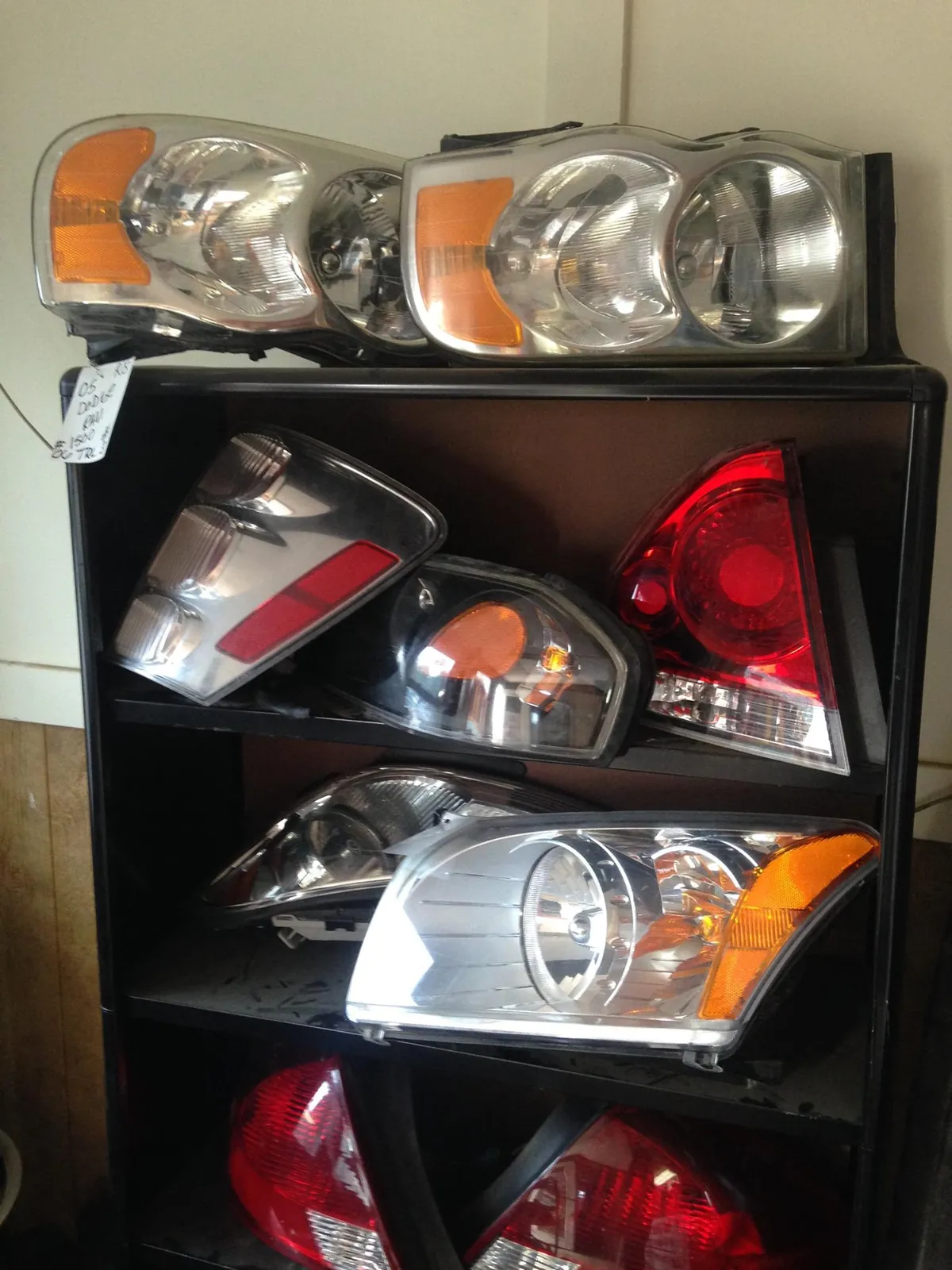
The demand side keeps growing, too. The average U.S. vehicle on the road hit a record 12.8 years in 2025 (S&P Global Mobility, 2025) — older cars need more parts, and paying dealer prices on a 12-year-old car rarely makes sense. At The New Country Auto Parts, used OEM parts run 50 to 80 percent below dealer pricing on the same part, and fresh vehicles hit our rows every day. Customers have rated us 4.8 stars across 320+ Google reviews, and a lot of that comes down to inventory: people find what they came for.
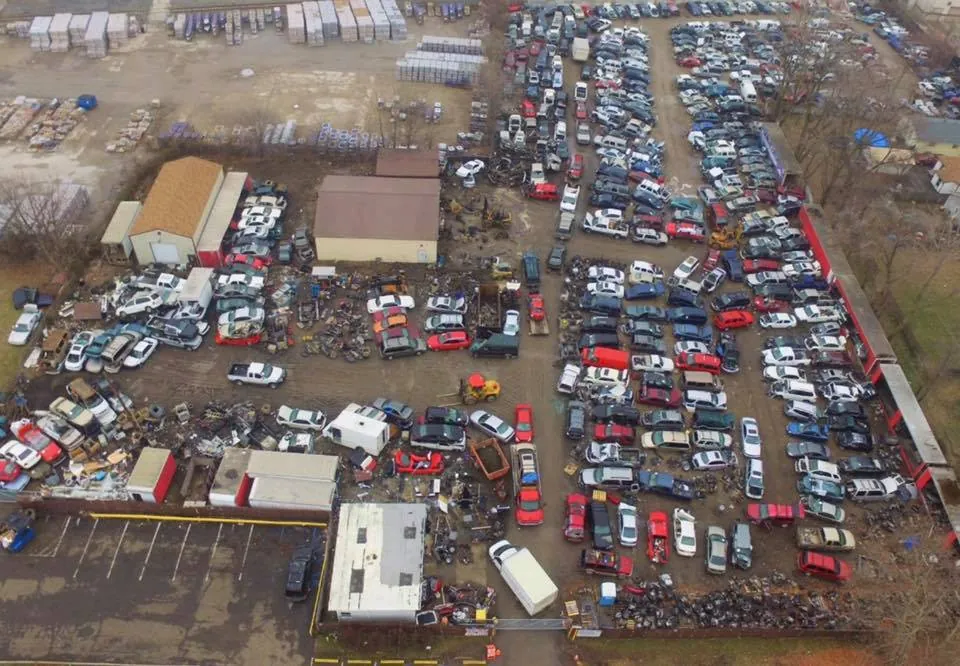
Two practical tips. First, when you’re comparing yards, ask how often inventory turns over — it’s one of the questions we suggest in our guide to the best junkyards in Indianapolis. A yard with stale rows is a yard where the good parts left months ago. Second, check availability before you drive. Our online parts search runs on Car-Part Interchange, so it will tell you whether a matching part should be here — but the yard sells first-come, first-served, so call (317) 787-7555 and have us confirm it is still on the shelf.
What Happens Once a Vehicle Arrives
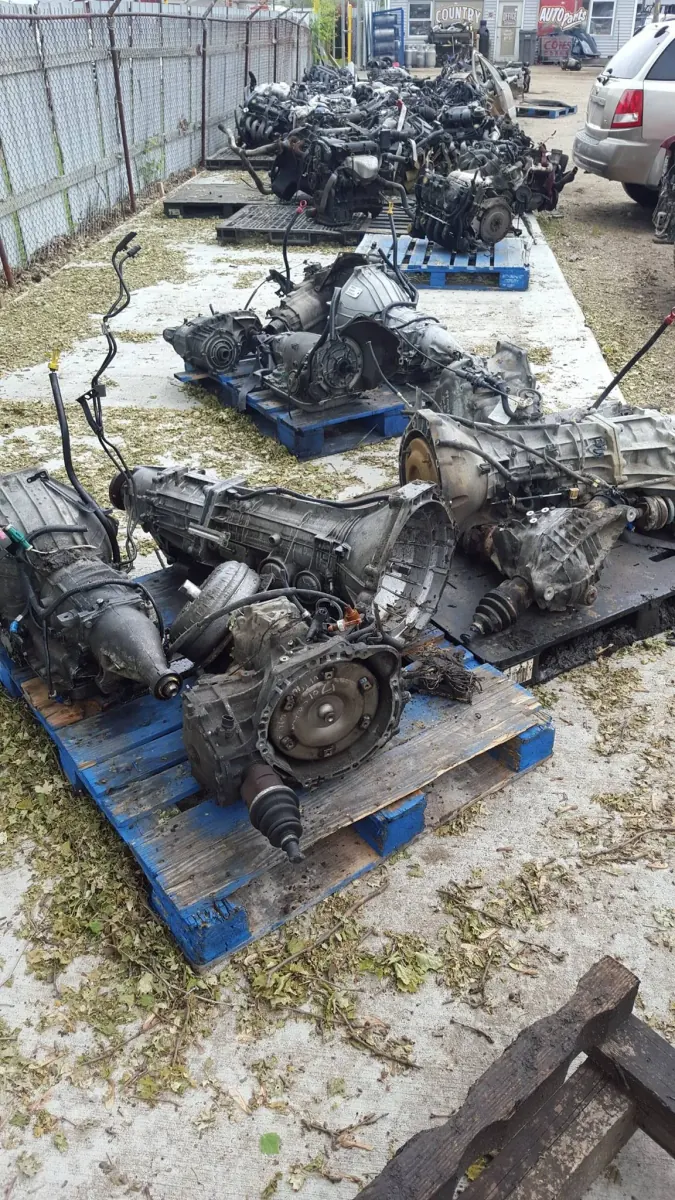
Getting the car is only step one. Before a vehicle ever reaches our yard rows, it goes through the same four steps:
- The VIN and title paperwork get processed.
- Every fluid is drained and captured.
- The hazardous materials come out — refrigerant and mercury switches — and the tires come off for recycling.
- The vehicle goes into the rows, grouped by make and model, and starts its second career as a parts donor.
We walked through that whole sequence in what happens to your car after the junkyard buys it.
One limitation worth naming: no yard can hand you a car’s complete life story. A salvage title tells you why a vehicle left the road, not how it was driven for the ten years before that. What we can do is tell you which source a donor came from, pull the part properly, and back it with our 30-day warranty — unless a part is sold as-is, in which case we’ll say so up front.
Want to see the fresh rows for yourself? We’re at 3013 Stanley Avenue on the south side of Indianapolis — open Monday–Friday 8–5 and Saturday 9–2. Plan your visit →
Frequently Asked Questions
Where do salvage yards get their cars?
Salvage yards buy cars from six main channels: direct purchases from owners, insurance total-loss auctions like Copart and IAA, tow companies and abandoned-vehicle sales, dealer trade-ins, retired fleet vehicles, and charity donations. The New Country Auto Parts buys out of all six, which is how a south-side Indianapolis yard keeps hundreds of vehicles on the lot.
Do salvage yards buy cars that still run?
Yes, and often eagerly. Many running cars are worth more as parts donors than as vehicles — a sedan with a failing transmission still carries a good engine, clean body panels, and working electronics nobody has touched. That is why Cash Car Heroes, our car-buying arm, quotes any condition at all: running, wrecked, or long dead in a driveway.
Are auction cars lower quality than cars bought from owners?
Not automatically. Insurance-auction vehicles are often newer cars totaled over localized collision damage, which makes them excellent donors for drivetrains and untouched panels. The real caution is flood vehicles, whose electrical parts we’d treat with skepticism. Ask the yard where a donor came from — a good one will tell you.
How often do salvage yards get new vehicles?
It varies by yard and by how many supply channels they buy from. The New Country Auto Parts adds fresh vehicles every day. Turnover is what matters when you’re parts hunting: the more donors coming through the gate each week, the better your odds of a match, so ask any yard how often its inventory actually turns.
Can I sell my car directly to a salvage yard in Indianapolis?
Yes, as long as the title is in your name. Through Cash Car Heroes, the car-buying side of The New Country Auto Parts, you’ll get an offer in 10 to 15 minutes, payment by cash or check on the spot, and free towing anywhere in Central Indiana.
Do junkyards take donated cars?
Usually indirectly. Most donated vehicles go to a charity first, which sells them at auction or to a recycler to fund its programs. The IRS lays out the tax rules in Publication 4303, A Donor’s Guide to Vehicle Donation. Those vehicles then enter yard inventory alongside auction and direct-purchase cars.
What happens to a car right after a junkyard buys it?
The yard processes the VIN and title, drains and captures every fluid, and pulls the hazardous materials — refrigerant and mercury switches — along with the tires, which get recycled. Then the vehicle is placed in the yard rows — grouped by make and model at The New Country Auto Parts — where it serves as a parts donor, often for months.