If a used auto part fails, stop running it, dig out your receipt, and call the yard before the warranty window closes. A salvage yard warranty is settled by exchange: a replacement if one is in stock, or store credit if not. At The New Country Auto Parts in Indianapolis, every part except as-is sales carries a 30-day warranty.
Last updated: October 2026
Nobody reads warranty terms on the way into a junkyard. You read them in your driveway, three weeks later, standing over an alternator that just quit. By then the details matter a lot — what’s covered, what paperwork you need, and how many days you have left.
This guide walks through exactly what to do when a used part fails, what a typical salvage yard warranty covers (and what it never covers), how core charges complicate the clock, and how the policies at Indianapolis yards actually compare. We sell used parts every day at our yard on Stanley Avenue, so we’ll use our own warranty terms as the worked example — including the fine print that surprises people.
What Does a Salvage Yard Warranty Actually Cover?
A salvage yard warranty covers the part itself — and almost nothing else. If the part turns out to be defective within the warranty period, the yard makes it right with a replacement or credit. It does not cover your mechanic’s labor, towing, or anything the failed part damaged. That’s the standard deal across the industry, and it’s ours too.
Warranties are also more common at salvage yards than first-time buyers expect. Michael Swift, then president of the Automotive Recyclers Association, said it plainly in a 2016 interview: “Most of us sell alternators, starters, other parts with warranties on them.”
Here’s what the 30-day warranty at The New Country Auto Parts covers, straight from our posted terms:
| Situation | Covered? | What happens |
|---|---|---|
| Part is defective within 30 days, properly installed | Yes | Free replacement if we have the part; store credit for what you paid if we don’t |
| Wrong part or changed your mind (part is fine) | Partially | Return accepted, but a 30% restocking fee applies — no cash refunds |
| Part sold “as-is” | No | Not covered, not returnable — the discount priced in the risk |
| Core not returned within 5 days (core-charge parts) | No | Warranty is void and the core deposit stays with the yard |
| Labor, towing, or damage caused by the failed part | No | Industry standard — the warranty covers the part only |
One honest limitation: a 30-day window will not catch the part that dies in month three. No salvage warranty will. That’s the trade you make for paying a fraction of the new-part price, and it’s why checking a part before it goes in — and buying from a yard that inspects what it sells — matters more than the warranty itself. We covered that ground in are junkyard parts reliable?
What to Do When a Used Part Fails: 6 Steps
Work the problem in this order. The first two steps protect your claim; the rest get you a working part.
- Stop running the part. A failing alternator, water pump, or sensor can take other components with it, and consequential damage is on you, not the warranty. Park the car if you reasonably can.
- Find your receipt. The receipt is the warranty. It carries the purchase date, the part, and the price your store credit would be based on. Pull-A-Part and Indy U-Pull-It both put the receipt requirement in writing, and so do we.
- Check your dates. The clock runs from the date of purchase — not the date your mechanic finally got the car on the lift. If you’re inside the window, move fast; if the deadline is days away, say so when you call.
- Pull together installation proof. For engines and transmissions, we require proof of proper installation and of an oil change every 3,000 miles or 3 months after the part went in. A shop invoice covers both. If you did the work yourself, keep the oil receipts.
- Call the yard and describe the failure. For us that’s (317) 787-7555, Monday through Friday 8am-5pm or Saturday 9am-2pm. Be specific: what the part is doing, when it started, how it was installed. The counter can usually tell you on the phone whether the claim is good.
- Bring the part back. Getting the part (and the vehicle, if needed) back to the yard is the customer’s responsibility — at our yard and nearly every other one. Budget for that before you argue about it at the counter; the terms were on the receipt.
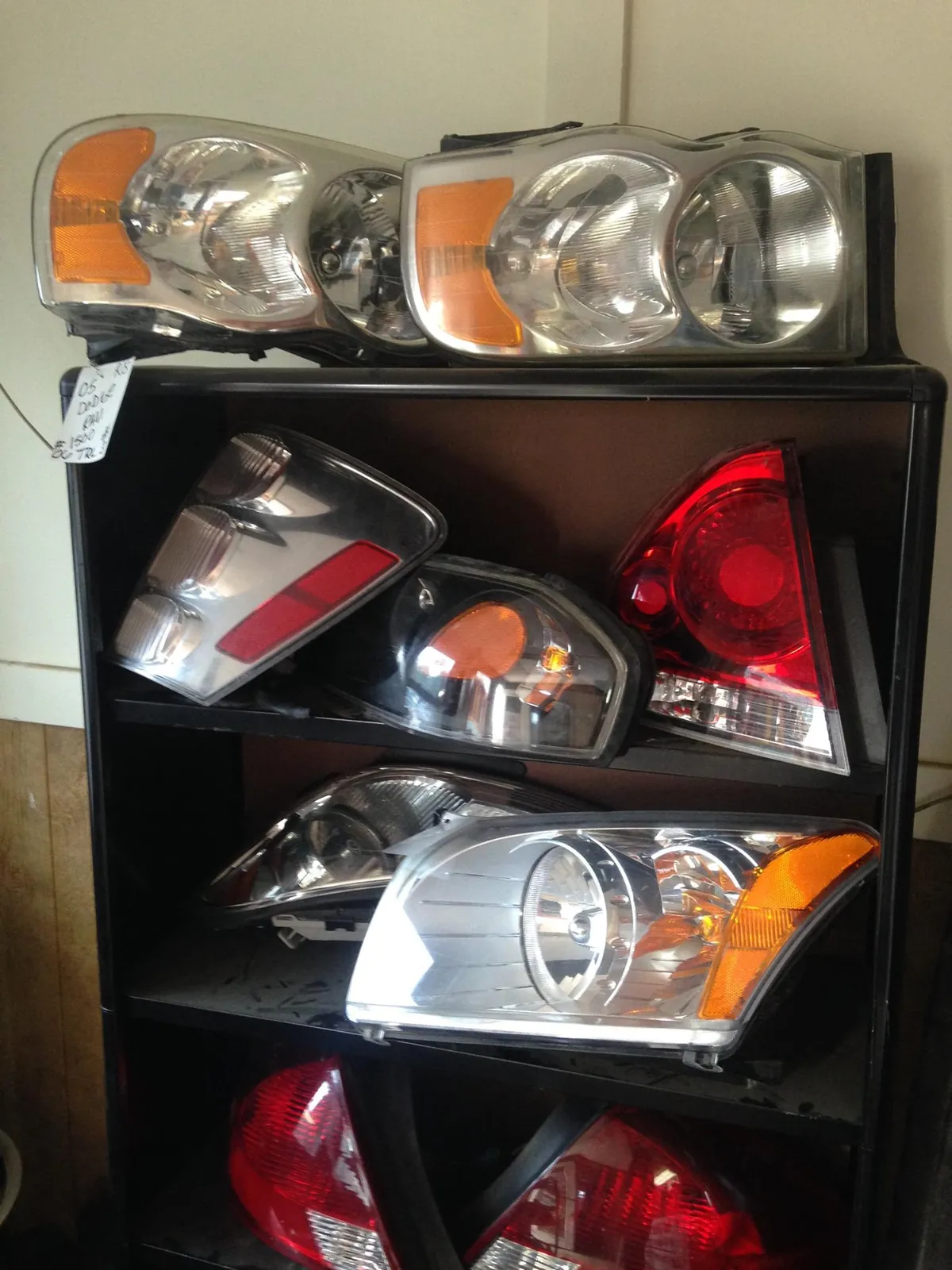
Part acting up inside your 30 days? Call The New Country Auto Parts at (317) 787-7555 with your receipt in hand — we’ll tell you exactly what the claim needs before you drive over. Read the full warranty terms →
How Core Charges Work (and the 5-Day Rule)
A core charge is a deposit the yard collects when you buy certain rebuildable parts without handing over your old one. The old unit — the “core” — has real value to the recycling chain, so the deposit comes back when you return it.
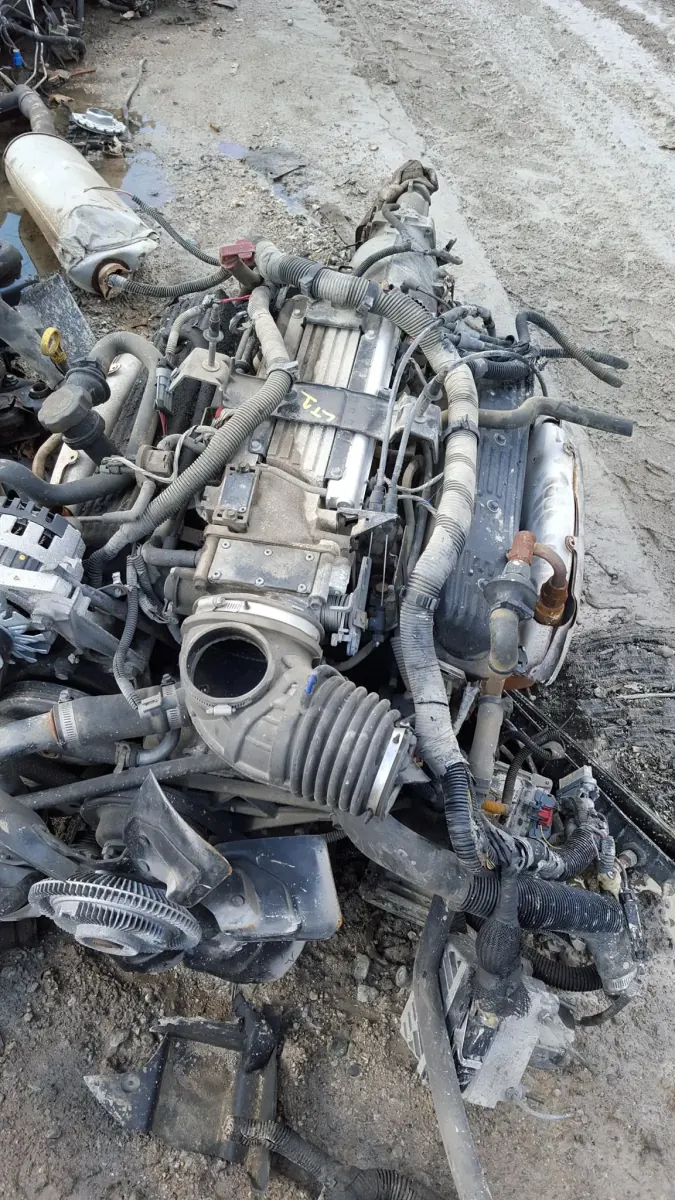
At our yard, core charges apply to engines, transmissions, batteries, radiators, alternators, gear boxes, rack and pinion units, A/C compressors, A/C condensers, transmission coolers, motor oil coolers, and drive shafts.
Here’s the part people miss: you have 5 days to return the core, and the warranty on your purchase is void if you don’t. Not just the deposit — the warranty. If your old engine is still bolted in the car a week after you bought the replacement, you’ve quietly given up both. Plan the swap before you buy, or bring the old part with you at purchase so no core charge applies at all.
What Does “As-Is” Mean at a Junkyard?
“As-is” is a legal term, not a shrug. Under the Uniform Commercial Code (UCC § 2-316, which Indiana has enacted as IC 26-1-2-316), selling something “as is” or “with all faults” excludes the implied warranties that normally ride along with a sale. In plain English: an as-is part has no warranty, no return, and no exchange. The discount is the whole deal.
That’s not a trick — for some parts it’s the right buy. A body panel you can see every inch of, or a gamble on a $40 electronic module where the tested one costs three times as much, can be worth taking as-is. Our rule of thumb: take as-is pricing on parts you can fully inspect before paying, and pay for the warranty on anything mechanical you can’t test until it’s installed. Just know which one you’re buying before you hand over a card — it’s printed on the receipt, and at the counter you only have to ask.
Does a Used Part Void Your Car’s Factory Warranty?
No. Federal law is direct about this. Under the Magnuson-Moss Warranty Act, a manufacturer or dealer cannot void your vehicle’s warranty or deny coverage simply because you used a recycled part (FTC consumer alert, via GPO). The one exception: if the recycled part was defective or badly installed and damaged a covered component, the manufacturer can deny coverage for that component — and the burden is on them to show the part caused the damage. The FTC’s own guide to federal warranty law covers the same ground for anyone who wants the statute-level detail.
Worth remembering what a recycled part actually is: a genuine factory component recovered from another vehicle — what the Automotive Recyclers Association calls Recycled Original Equipment. It’s the same casting from the same automaker, not an imitation. We walked through the differences in OEM vs. aftermarket vs. used terms in our buying guide.
How Indianapolis Salvage Yard Warranties Compare
We’re not going to pretend we have the longest warranty in town, because we don’t. Here’s the honest picture for Indianapolis as of October 2026:
| Yard | Warranty | Remedy | Notes |
|---|---|---|---|
| The New Country Auto Parts | 30 days on parts (as-is excluded) | Replacement first; store credit for the price paid if the part is gone | Full-service — staff pull and check the part; 30% restocking fee on non-defective returns |
| Pull-A-Part (Indianapolis) | 30 days on most parts; tires and wheels 3 days (Pull-A-Part FAQ, 2026) | Exchange or store credit; no cash refunds except cores | Self-service; 120-day extended warranty sold separately on some parts |
| Indy U-Pull-It | 45-day exchange-only warranty (Indy U-Pull-It, 2026) | Exchange with receipt | Self-service; you pull the part yourself |
The window lengths are close; the difference is what happens before the warranty ever matters. At a self-service yard, the part’s condition is your read in the row with your tools — we compared the models in our Pull-A-Part Indianapolis guide. At our yard, a part-puller who does this all day removes the part and it gets looked at before it’s sold, which is a big part of why fewer parts come back in the first place. Prefer to do it yourself anyway? Ask the front desk about the self-pull discount.
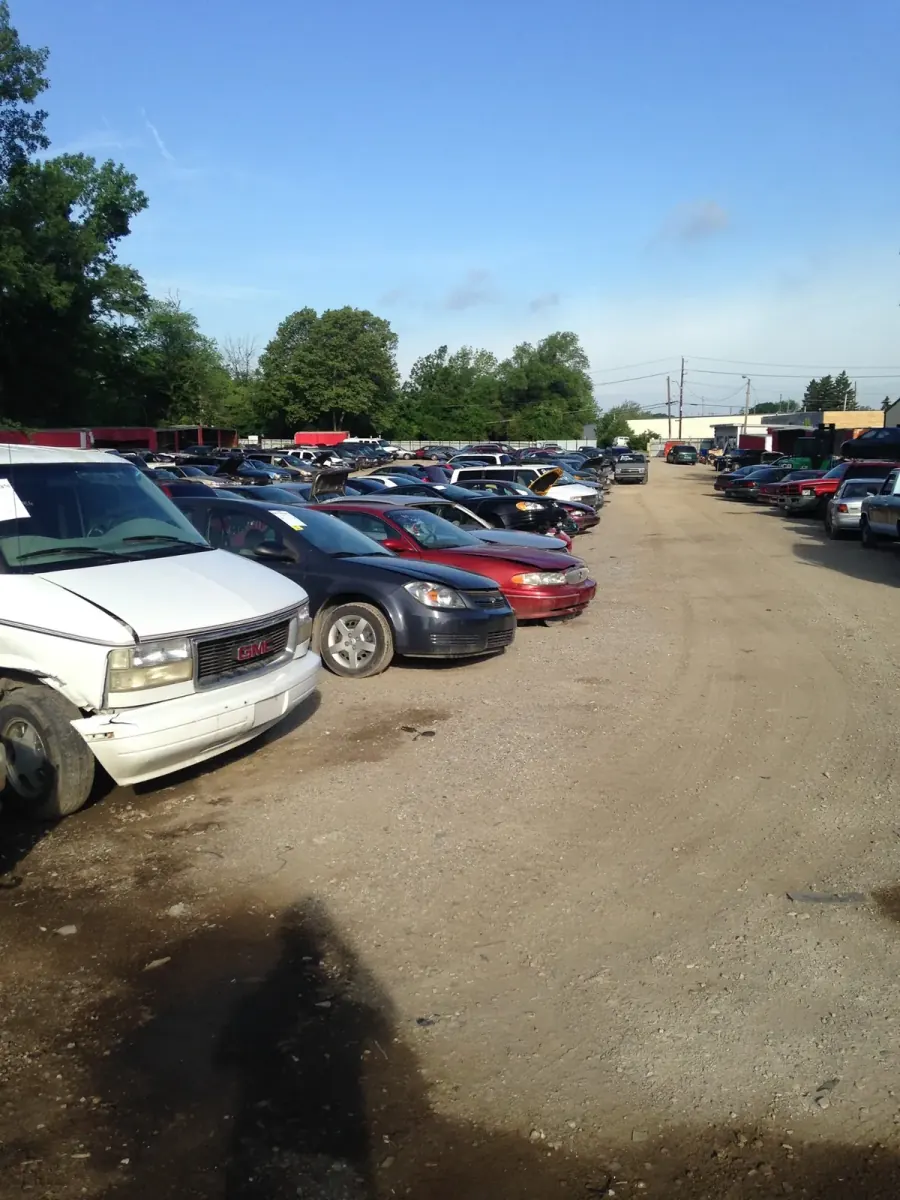
Need a part checked before it ever becomes a claim? Call (317) 787-7555 with your year, make, and model and we’ll check the yard while you’re on the phone — 4.8 stars across 320+ Google reviews says the counter will treat you right. See how our used parts work →
How to Avoid a Warranty Claim in the First Place
The cheapest warranty claim is the one you never file. Three habits cover most of it:
- Match the part before you buy. Bring your VIN or the part number off the old unit. Interchange data catches the year-split and trim traps that cause most “defective” returns — parts that were never going to work on that vehicle.
- Ask about the donor car. Mileage, damage, how long it sat. A yard that pulls its own parts can answer; it’s one of the quiet advantages of a full-service counter.
- Install it right, and keep the paper. On a used engine, new fluids, new filters, and the oil-change receipts aren’t just good practice — they’re what keeps the warranty alive.
And one planning note: parts here can’t be pulled and set aside before you arrive — inventory is first-come, first-served. Call to confirm the part is in the yard, then come in; holds require an approved down payment.
If the failed part is the last straw for the whole vehicle, there’s another door: our sister company Cash Car Heroes pays cash for junk cars in any condition with free towing across Central Indiana. Sometimes the right warranty decision is to stop feeding the car.
Frequently Asked Questions
How long is a typical junkyard parts warranty?
30 days is the industry norm. In Indianapolis, The New Country Auto Parts and Pull-A-Part both run 30-day terms, while Indy U-Pull-It offers a 45-day exchange-only warranty. Specialty items run shorter — tires and wheels carry just 3 days at some yards — and as-is parts carry no warranty at all. The clock starts at purchase, not installation.
Can I get a cash refund from a salvage yard?
Almost never. Salvage yards work on exchange: a defective part gets replaced with a matching one, or you get store credit for what you paid. At The New Country Auto Parts there are no cash refunds, and a non-defective return (wrong part, changed your mind) carries a 30% restocking fee. Keep your receipt — it’s the basis for any credit.
What is a core charge at a junkyard?
A core charge is a refundable deposit collected on rebuildable parts — engines, transmissions, alternators, radiators, A/C compressors, and similar — when you don’t trade in your old unit at purchase. Return the old part within the yard’s window (5 days at The New Country Auto Parts) and the deposit comes back. Miss the window and you lose the deposit and, at our yard, the warranty.
Does a used engine warranty require maintenance proof?
Often, yes. At our Indianapolis yard, warranty coverage on engines and transmissions requires proof of proper installation and an oil change every 3,000 miles or 3 months after the part goes in. A shop invoice or dated oil-change receipts satisfy it. Skipping that paperwork is one of the most common reasons an otherwise valid claim gets denied.
Will a recycled part void my car’s manufacturer warranty?
No. The Magnuson-Moss Warranty Act makes it illegal for a manufacturer or dealer to void your warranty simply because you used a recycled or aftermarket part (FTC). Coverage can only be denied for a component that the recycled part itself damaged — and the manufacturer has to demonstrate that the part caused the problem, not just assert it.
What happens if the yard no longer has my part in stock?
You get store credit instead of a replacement. At The New Country Auto Parts, a defective part inside the 30-day window is swapped for the same part when one is in the yard; when it isn’t, you receive store credit equal to what you paid, usable on anything in the yard. New vehicles come in every day, so a part we don’t have today may be here tomorrow.
Are as-is parts ever returnable?
No. Under UCC 2-316 (Indiana’s IC 26-1-2-316), “as is” language excludes the implied warranties that would otherwise apply, and yards price those parts accordingly. As-is parts are not covered, not returnable, and not exchangeable. Before paying, confirm whether your part is a warranted sale or an as-is sale — it’s printed on the receipt either way.
Questions about a part you bought — or one you’re about to? The New Country Auto Parts is at 3013 Stanley Avenue on the south side of Indianapolis, Monday–Friday 8am–5pm and Saturday 9am–2pm. Call (317) 787-7555 or plan your visit →